


The Ultimate Active Skincare Ingredient Breakdown & How to Combine Them
Updated: Jun 8, 2025
At some point, we have all heard of retinol, vitamin c, & co, but what do these active ingredients actually do, should everyone use them, and are they compatible with other ingredients? Read to find out more.

Thanks to skin expert content creators, the average consumer has become increasingly ingredient-savvy. Personally, I started my skincare ingredient journey when I started reacting negatively to all the products influencers recommended. After having spent money on a product I hoped would improve my skin and not worsen it, I felt betrayed both by the industry and its propagators. This sense of frustration led me to learn about skincare ingredients because I wanted to develop an understanding of what makes a product good without having to listen to paid reviews anymore.
Content creators on YouTube, like Mixed Makeup, No BS Beauty, Abbey Yung, Dr Shereen Idris, Lab Muffin, and Hyram, have been my teachers along this journey. If you are curious to expand your own skincare ingredient expertise, I highly recommend grabbing your favourite drink, cuddling up in bed and hitting the play button.
For those who would like a brief but informative overview about skincare ingredients, how to combine them, and when to use them, say no more:
Brighteners & Antioxidants
These active ingredients will brighten your complexion, meaning they will help inhibit melanin production to fade any dark spots from the sun or acne marks, as well as even out any redness caused by sensitivity. At the same time, they provide antioxidant protection (fight off free radicals that can damage the skin), which also boosts sunscreen efficacy. Therefore, it is best to use them in the morning.
Vitamin C & derivatives: ascorbic acid (best used on clean, dry skin with no product underneath because of its instability), Sodium ascorbyl phosphate, Magnesium ascorbyl phosphate, Ascorbyl glucoside, Ascorbyl tetraisopalmitate, Tetrahexyldecyl ascorbate, Ethyl ascorbic acid (stable derivatives that might work slower, but surely over time)
Important to note: start at a low concentration to test any sensitivity to vitamin c first, and then steadily increase up to 20%
Niacinamide- brightens and tightens pores, antioxidant function, barrier repairing
Azelaic Acid- evens out skintone and redness due to its anti-inflammatory benefits, and can also prevent new breakouts from forming through slowly exfoliating skin and unclogging pores
Tranexamic Acid- antioxidant and brightening by inhibiting melanin production
Kojic Acid- antioxidant and brightening by inhibiting melanin production
Alpha Arbutin- antioxidant and brightening by inhibiting melanin production
Glutathione- antioxidant and brightening by inhibiting melanin production
Ferulic acid- antioxidant and brightening, proven to boost vitamin C efficacy when combined
Vitamin E (Tocopherol)- antioxidant and brightening, proven to boost vitamin C efficacy when combined
Coenzyme Q10 - powerful antioxidant and collagen promoter
Resveratrol - antioxidant, anti-inflammatory, and anti-ageing
AHAs - (see list below for examples) brighten due to the removal of dead skin cells
All of the above ingredients can be used together in the same routine, but do not use them with hypochlorous acid, which deactivates the antioxidant function, or with retinoids (except for azelaic acid, which works well with retinoids to fight acne), because it will increase sensitivity that can lead to discolouration and an impaired skin barrier. In general, you can use these ingredients with exfoliating acids in the same routine, but not daily, and start at low concentrations to see how your skin responds to this much stimulation.
Top recommendations in this category: (use code: A8MBLB and this link for an additional ...% off on your order)

This one includes all of the brightening and antioxidant ingredients mentioned above, except for ferulic, kojic, and azelaic acid, which makes it the most saturated serum in this category I have ever come across! Since all of the actives are formulated at lower concentrations, this serum is even suitable for those with sensitive skin. Incredible glow getter!

If you wanted to supplement the Numbuzin serum with toner pads that include the remiss ingredients of kojic acid and ferulic acid (I have a separate azelaic acid recommendation), you could boost the efficacy of the serum. I would warn, though, that people might not be able to look at you. It will be so bright...like staring at the sun.

This was groundbreaking when it came out, as it used the research from the essssspensive SkinCeuticals serum (150 pounds!!), which discovered that fresh ascorbic acid at 15%, combined with ferulic acid and vitamin E, is the most effective at yielding results, only in a 12-pound bottle. I don't know how these expensive brands even justify their pricing any longer.
Exfoliators
Please do not use any form of scrubs or physical peelings because they can cause microtears in the skin, damaging its barrier, and causing problems that will become visible as we age. Instead, use chemical acids, which remove dead skin cells, promote cell turnover, refine pore texture, and can even help to brighten skin tone. There are BHAs, which are oil-soluble, so best suited for fighting acne due to their anti-inflammatory properties. Then, there are AHAs, which are water-soluble and contribute to a glowy, even-toned complexion. PHAs work slowly over time, so you won't see a difference immediately, which is why they are best suited for sensitive skin, as they also hydrate. Lastly, there are also enzymes, which are great for daily use because, unlike chemical acids, they dissolve surface proteins only, creating a smooth, polished touch.
BHAs- salicylic acid mainly, willow bark extract, witch hazel extract, and chestnut extract contain salicylic acid naturally
AHAs (from highest strength to most gentle exfoliation)- glycolic acid, mandelic acid, lactic acid, citric acid, malic acid, tartaric acid
PHA- gluconolactone (in a low concentration, it just hydrates)
Enzymes- papain (from papaya), bromelain (from pineapple), actinidin (from kiwi, mango, or apple), protease, cellulose, starch, lipase
Only Enzymes and PHAs are fit for daily use, even though I would only use them once at night, as exfoliated skin increases sensitivity to the sun. AHAs are all different in molecular weight and strength, so if glycolic acid is too strong, you have a lot of other options to try. Either way, it is best to use them max twice a week, as you don't want to damage your skin barrier. Keep in mind that a mild burning sensation is normal. If the burn persists for a longer time, resulting in redness and sensitivity, stop use immediately. BHAs can be used more often if you have acne-prone skin, like in a cleanser or a toner. If you have dry, sensitive skin like I do, it is also best not to over-exfoliate the natural oils off your skin. So, I like to use a salicylic acid mask before a glycolic acid toner about once a week. You can combine different acids, as some products contain a mix, too. Just do not overuse and don't mix with retinoids ever.
Top recommendations in this category: (use code: A8MBLB and this link for an additional ...% off on your order)

This packed mask contains BHAs, AHAs, and PHAs all in one. In combination with clay, humectants, and guiazalene (blue ingredient with anti-inflammatory effects), this mask will draw out not only any impurities, but also your sins from a past life. This is a dead-skin annihilator and a karmic resetter. Only use once a week max.

As promised, this is my top azelaic acid recommendation, since it also combines salicylic acid and several AHAs with skin-soothing ingredients. I would use this every other night, when I don't go for retinoids. Swab a few drops on a cotton pad, gently pad it on your face, or leave it to sit over a breakout. Miracle product for those with acne or texture. Not convinced? It also contains snail mucin, the viral ingredient that catapulted K-beauty to the West and beyond.

For those of you new to enzymes, or who are on the hunt for an everyday friendly exfoliant, look no further. Korean skincare often implements polishing, yet gentle, enzymes in their face washes. This one, in particular, contains green tea, which also makes it an antioxidant and anti-inflammatory, while formulated as a frothy milk that leaves your skin feeling like a baby butt (post diaper change, that is)
Cell Renewal (Anti-Ageing & Anti-Acne)
What I mean by cell renewal is that the following active ingredients promote collagen production in the skin, which decreases as we age, in order to increase cell turnover. Essentially, we are helping our skin in its natural process of renewing skin cells, but at a faster rate. This is what makes it anti-ageing, but as a bonus side-effect, also great for preventing acne, since our pores will be less clogged over time. Initially, as cell renewal increases, skin might purge itself of any gunk in its deeper layers.
Retinoids (from highest strength to most gentle)- prescription grade tretinoin, retinal, retinol, granactive retinoid, retinyl palmitate (all of which can cause purging, dryness, flaking, and irritation, and not safe to use during pregnancy or breastfeeding)
Bakuchiol - natural plant extract, which is proven to have the same effects as retinoids, only at a slower rate, but with no side effects.
Peptides - there are many different peptides (eg. copper peptides), all of which increase collagen and elastin production, as well as signalling the skin to heal
Amino acids (see next list for examples) - building blocks of proteins, such as collagen and elastin
You can use all of the above in the same routine; in fact, bakuchiol can even improve the efficacy of retinoids, so look for products that include both. Like I previously mentioned, you can also use azelaic acid with these cell-renewing actives to help fight acne. As a general rule of thumb, do not ever use retinoids with any other exfoliants in the same routine, so if you want an evening with chemical acids, then opt for peptides instead. You should be slow to incorporate retinoids into your routine, so start with once a week, then twice, etc. Build up the usage until you can use antioxidants and brighteners in the morning, and cell-renewing actives at night.
Top recommendations in this category: (use code: A8MBLB and this link for an additional ...% off on your order)
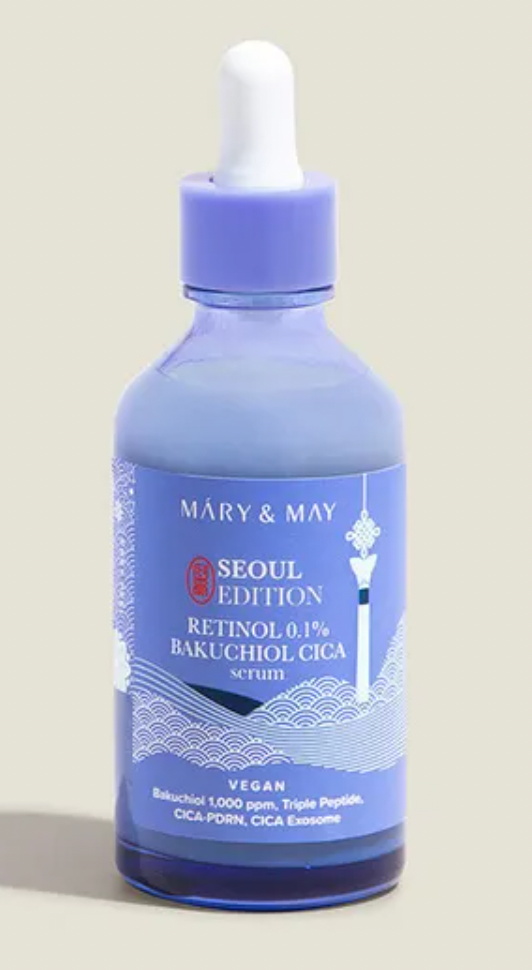
Are you feeling overwhelmed at how to include all of these ingredients into your routine without breaking the bank? Use products like this, which contain retinol, bakuchiol, peptides, amino acids, and even ceramides, as well as humectants, and oh, did I mention general barrier support? A true one-and-done, if there ever was one.
Barrier Repairing
This category of active ingredients should be a part of everyone's skincare routine if they incorporate one of the categories above. Since all the previously mentioned actives might damage the skin barrier, especially if you overuse them, you need to have your immediate fix ready. Even better, use these ingredients every day, and it will help cushion any negative effects of stronger actives.
Ceramides - consider them the building blocks of skin; when applied topically, they can help our skin's ceramides to repair the skin barrier.
Linoleic Acid (from sunflower or grapeseed oil) - they help our skin to produce ceramides
Niacinamide - not only an antioxidant that brightens and refines pores, but also a ceramide production enhancer!
Snail Mucin/ Yam Root - anti-inflammatory and hydrating properties, which promote skin healing
Lipids - moisturising oils that form an occlusive layer on top of the skin and protect it from damage
Peptides - not only do they promote collagen production and cell turnover, but they also enhance ceramide production
Probiotics - as important to our skin microbiome as to our gut, studies show that a healthy skin barrier requires healthy bacteria
Humectants like Beta-glucan - calms and soothes the skin barrier, while also offering hydration and boosting the skin's immune system due to its antioxidative function
All of the above are highly recommended to use in combination with any of the other mentioned actives, since they help to balance the negative side effects. For example, exfoliating acids and retinoids can damage the skin barrier if used too often and at a high concentration because there might not be any dead skin left that needs to be removed, or any cells needing to be renewed so quickly. If that is the case, you will start to exfoliate healthy skin, which you do not want. In order to prevent this from happening, implement barrier-supporting ingredients into your daily routine, as well as taking it slow with the other actives.
Top recommendations in this category: (use code: A8MBLB and this link for an additional ...% off on your order)

Korean skincare is famous for its market-leading use of probiotics, i.e. fermented ingredients, in their cosmetic products. Essentially, they mostly use plant-derived extracts, which they ferment, and when applied to skin, the bioavailability increases dramatically (same as for our gut, actually!). There is fermented black rice, ginseng, galactomyces (which is the main ingredient in the celebrity-hailed SK-II essence that will ruin your chances of owning property, ever), and many, many more. So far, I have found this to be the richest in the variety of probiotics included, on top of ceramides, amino acids, humectants, and lipids.
Hydrators
At first, I did not want to include this category at all because the following ingredients will most likely already form part of a product that is good for your barrier, or increases cell turnover, or brightens, or that removes dead skin cells. In reality, I don't think you need to be looking for just hydrating products, but rather look for products that do a bit more + offer hydration. Since hydrating ingredients are sometimes necessary in a formulation with an active ingredient, either to improve absorption or minimise the feel of dry, taught skin, purely hydrating serums are a bit futile, even for people with dry skin.
Polyglutamic acid - can hold up to 4000x its own weight in water, more than hyaluronic acid
Hyaluronic acid - attracts and retains water molecules to boost hydration
Fatty alcohols (cetyl, stearyl, and behenyl alcohol)- emollients that moisturise skin and promote healing
Plant extracts - rose, chamomile, algae, pomegranate, & many more can help boost hydration
Glycerin - draws moisture from the environment into the skin
Amino acids: arginine, histidine, methionine, lysine, glycine, sucrose, proline - contribute to skin's hydration due to natural moisturising factors that work with the body's water transport system to drive moisture to the outer layer of the skin
Feel free to combine the above ingredients with anything and everything. Don't just look for a Beta-Glucan serum by itself. Instead, look for a packed product containing many of the humectants and barrier repair systems in one.
Top recommendations in this category: (use code: A8MBLB and this link for an additional ...% off on your order)

Milk toners have been making their rounds lately, and rightly so. They often include a variety of humectants, lipids, and barrier-boosting ingredients all in one. At the same time, their thicker texture allows the product to be dispensed directly into your hands instead of a cotton pad that absorbs and wastes a lot of liquid. This toner, specifically, includes Yam Root, which is basically the vegan version of snail mucin, meaning it has anti-inflammatory, barrier-repairing, occlusive and hydrating qualities.
All in all, it is best to approach skincare with specific skin issues in mind and then slowly implement the corresponding active ingredients into your routine at low intervals and concentrations until you can build them up. I will do a follow-up article on how to skin-cycle properly if you want the benefit of all the actives, with none of the side effects (spoiler alert: not always possible for everyone).


Comments